Our Mission
About Sunny Breakfast Spot
"To connect every visitor with the profound beauty and cultural meaning of Japan's natural spaces."
Sunny Breakfast Spot was founded in 2019 with a simple conviction: that Japan's extraordinary parks, gardens, and green spaces are among the most rewarding experiences the country has to offer — and that too many visitors pass through them without the knowledge to fully appreciate what they are witnessing. We set out to change that.
Our team combines deep botanical and ecological expertise with cultural scholarship and practical visitor experience. We maintain relationships with park authorities, head gardeners, and local historians across Japan — from Hokkaido's vast wilderness parks to the meticulously tended tea gardens of Kyoto's oldest temples. This network allows us to provide information that is accurate, current, and genuinely insightful rather than superficially descriptive.
We are committed to responsible tourism. Every guide we produce encourages respectful engagement with Japan's natural heritage — visiting with curiosity and care, contributing to conservation efforts where possible, and leaving each park as pristine as we found it.
Yuki Tanaka
James Whitfield
Hana Mori
Kenji Ōta
Sarah Chen
Ryo Fujita
Send Us a Message
We aim to respond to all enquiries within two business days. For urgent accessibility requests, please call our Tokyo office directly.
Year-Round Availability
Seasonal Office Notes
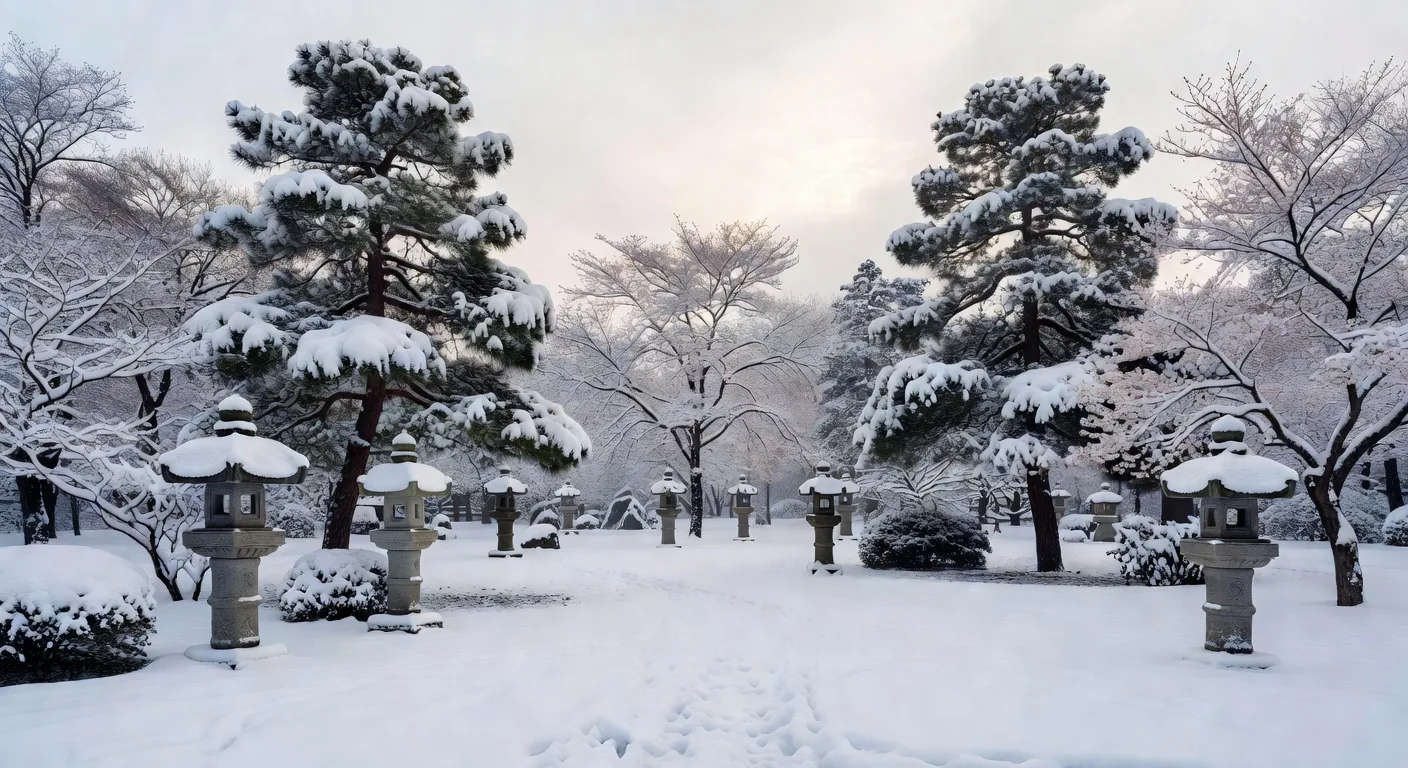
Our team works throughout the year, though response times may vary slightly during Japan's major holiday periods and peak seasonal events. During cherry blossom season (late March to mid-April) and autumn foliage peak (late October to late November), our enquiry volume increases significantly — we appreciate your patience if responses take slightly longer during these periods.
Our field researchers may be out visiting parks and conducting seasonal updates during these high periods, but office staff are always available by email within the listed hours. For time-sensitive matters, please indicate urgency in your subject line.
- Spring (Mar–May) High activity period; responses within 2–3 business days
- Summer (Jun–Aug) Normal operations; office closed Japanese public holidays
- Autumn (Sep–Nov) High activity period; responses within 2–3 business days
- Winter (Dec–Feb) Year-end closure Dec 29 – Jan 4; normal operations otherwise
Common Questions
Frequently Asked Questions
Before getting in touch, you may find your question answered here. These are the enquiries we receive most often from visitors planning trips to Japan's parks.
Are Japan's parks free to enter?
▾Many of Japan's parks are entirely free, including most municipal parks and much of the open grounds at major sites such as Ueno Park in Tokyo and Maruyama Park in Kyoto. However, certain popular parks charge a modest entry fee: Shinjuku Gyoen (¥500 for adults), Kenroku-en in Kanazawa (¥320), and Kokedera Moss Temple in Kyoto (¥3,000 with advance reservation) are examples. National park natural areas are free, though specific facilities, visitor centres, or special event areas within them may charge. Our individual park pages list current admission prices where applicable.
Do I need to make reservations to visit parks?
▾Most parks require no reservation and are open to visitors simply by walking in during opening hours. However, several special gardens do require advance booking: Kokedera Moss Temple in Kyoto (advance reservation and a written application are required), Katsura Imperial Villa and Shugakuin Imperial Villa (require applications through the Imperial Household Agency website), and certain guided seasonal event walks (firefly evenings, special dawn lotus viewings) at urban parks. During peak seasons such as cherry blossom and autumn foliage, timed-entry ticketing systems have been introduced at some of Kyoto's most popular temple gardens — check individual park pages for the most current requirements.
When is the best time to visit Japan's parks?
▾There is genuinely no wrong time to visit Japan's parks — each season brings its own distinct beauty. Spring (late March to mid-May) is famous for cherry blossoms and fresh green foliage, and is arguably the most visually spectacular. Autumn (mid-October to late November) rivals spring for beauty, with fiery maple and ginkgo colour. Summer (June–August) brings vivid lotus, hydrangea, and fireworks, though heat and humidity can be intense in lowland parks. Winter (December–February) offers serene, uncrowded parks dusted with snow — especially beautiful in Kyoto and mountain areas — and the subtle pleasure of plum blossoms. Our Seasonal Guide provides detailed month-by-month forecasts and current conditions during each season.
Is English-language signage available in Japanese parks?
▾English signage has improved significantly across Japan's parks over the past decade, particularly in tourist-heavy areas of Tokyo and Kyoto. Major national parks, popular urban parks, and heavily visited gardens generally provide bilingual (Japanese/English) information boards, plant labels, and maps. Smaller municipal parks, rural natural areas, and traditional gardens outside major cities may have little or no English signage. Many parks now provide free QR codes linking to English audio guides and digital maps. Sunny Breakfast Spot's downloadable park guides and maps are available in English for all parks featured on this site. Translation apps such as Google Translate's camera function work well for reading Japanese signs.
Are dogs allowed in Japanese parks?
▾Rules on dogs vary considerably by park. Many municipal parks and riverside green spaces in Japan do allow dogs on leads, and you will often see Japanese residents walking their pets. However, several of Japan's most famous gardens and nature preserves prohibit dogs entirely: Shinjuku Gyoen, Kokedera, the Imperial Palace Gardens, and most temple and shrine precincts do not permit pets. National parks generally permit dogs on lead on designated trails but not in restricted ecological zones. Before visiting with a dog, always check the specific park's regulations on their official website or at the entrance. Sunny Breakfast Spot's individual park pages note dog admission policies where known.
How do I report an accessibility issue at a park?
▾Sunny Breakfast Spot actively documents and advocates for accessibility in Japanese parks and gardens. If you encounter an accessibility issue — broken equipment, missing ramps, inadequate signage for visitors with visual impairments — we encourage you to report it both to the park's administration directly and to us via our contact form, selecting "Accessibility Support" as the subject. We compile these reports and share them with park authorities where we have established relationships. Our dedicated Accessibility page provides detailed information on wheelchair and mobility access, sensory garden facilities, hearing loop systems, and accessible transport options for the parks we cover.
Work With Us
Press, Media & Partnerships
Sunny Breakfast Spot works with a range of media and institutional partners who share our commitment to quality nature travel and responsible tourism in Japan.
Media & Press
Sunny Breakfast Spot welcomes enquiries from journalists, broadcasters, and content creators covering Japan travel, nature, and cultural tourism. We can provide expert commentary, bespoke photography, researcher access, and facilitation for park visits and interviews with park authorities.
Our editorial team has contributed to features in major international travel publications and has provided research support for documentary productions focusing on Japan's natural heritage. We are happy to discuss both one-off press enquiries and ongoing media partnerships.
✉ press@sunnybreakfastspot.comPartnerships & Collaborations
We are open to partnerships with organisations whose work aligns with our mission of encouraging informed, respectful engagement with Japan's natural and cultural landscapes. Past and current partners include regional tourism boards, conservation organisations, guided tour operators, and accommodation providers near major park destinations.
Partnership enquiries are reviewed quarterly. We do not accept paid promotional content that is not clearly disclosed, and we will only recommend products and services we genuinely believe will improve our readers' experience.
✉ partnerships@sunnybreakfastspot.com