Best Times to Visit

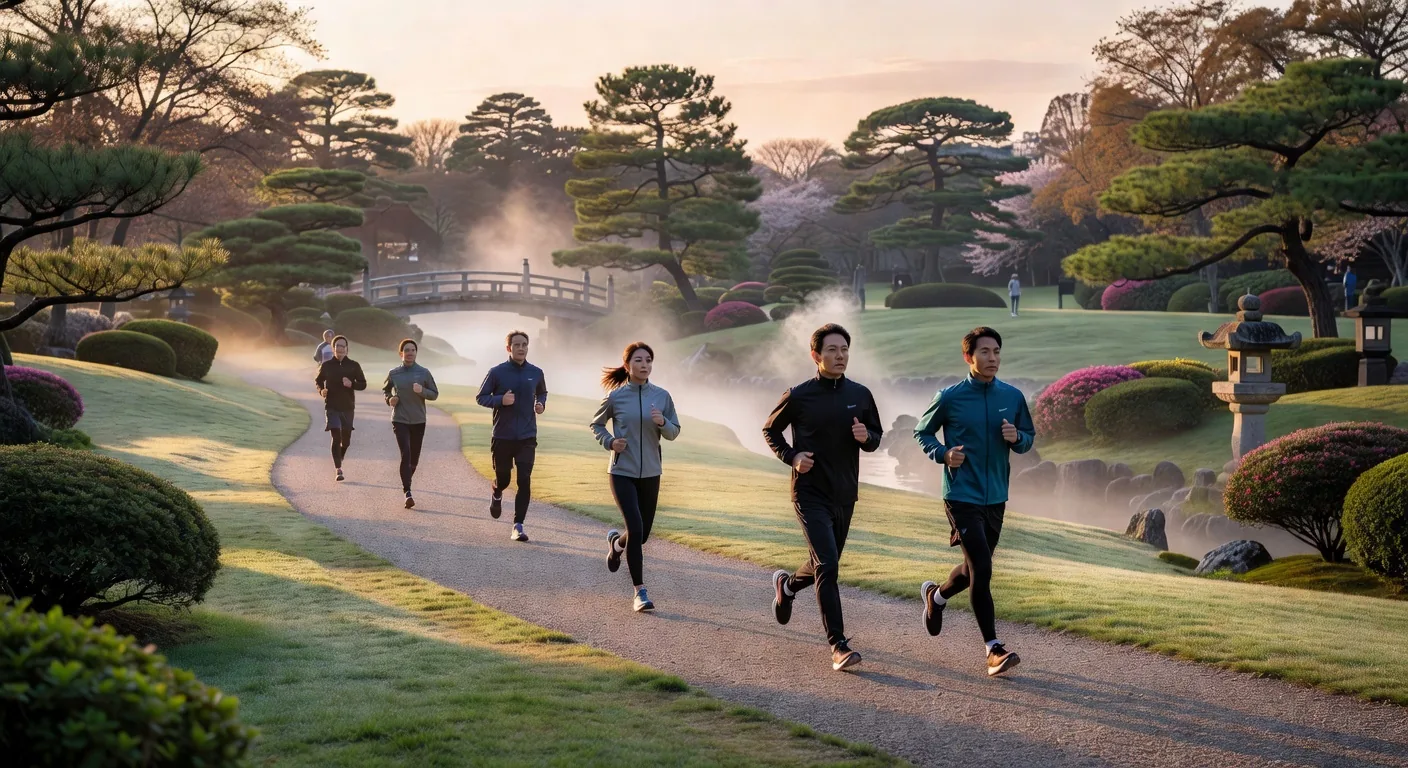
Japan's parks are exceptional at any hour, but early mornings hold a particular magic. Arriving before 8 am rewards the patient visitor with misty paths, birdsong undisturbed by crowds, and the gentle ritual of local residents beginning their day with a walk or morning jog.

The most visited parks — Shinjuku Gyoen, Ueno, and Maruyama in Kyoto — see their heaviest foot traffic between 10 am and 3 pm, especially on weekends and during cherry blossom season (late March–early April). Planning around these windows transforms the experience entirely.

Golden Hours by Season

  • Spring (Mar–May): Arrive by 7 am to see cherry blossoms before crowds
  • Summer (Jun–Aug): Early morning or after 5 pm avoids peak heat and visitors
  • Autumn (Sep–Nov): Overcast mornings often produce the best foliage photography
  • Winter (Dec–Feb): Midday is ideal — parks are quieter and the light is soft

Weekdays are consistently quieter than weekends across all parks. If your schedule allows, Tuesday through Thursday tend to offer the most peaceful visits. National holidays (Golden Week in late April–May, Obon in August) should be planned with extra care — these periods draw very large crowds to popular sites.

Early morning joggers in a Japanese park, peaceful and uncrowded
Dawn joggers on a quiet park path — mornings offer the most tranquil park experience in Japan.

Essential Visitor Tips

From dressing appropriately to navigating transport, these tips will help you make the most of every park visit across Japan.

👘

What to Wear

Dress in layers for comfort across Japan's varied seasons. Comfortable walking shoes are essential — many paths are gravel or uneven stone.

  • Spring: Light layers, fold-up waterproof jacket
  • Summer: Breathable fabrics, sun hat, UV parasol
  • Autumn: Warm layers, sturdy shoes for trails
  • Winter: Thermal underlayers, waterproof outer coat
  • Temple gardens: Modest attire is respectful
🎒

What to Bring

Japan's parks are well-maintained but facilities can be sparse in natural areas. Come prepared:

  • Reusable water bottle — refill at drinking fountains
  • Light snacks (no strong-smelling food near wildlife)
  • Portable rubbish bag (bins are scarce)
  • Camera or charged phone for photography
  • Small first aid kit for longer trails
  • IC card (Suica/Pasmo) for transit and vending
🚃

Transportation

Getting to Japan's parks is simple with excellent public transport infrastructure throughout the country.

  • IC cards (Suica, Pasmo, ICOCA) work on all urban rail and buses
  • Most major parks are within 10 min walk of a train station
  • Buy a day pass for unlimited bus/train travel in Kyoto and Nara
  • Walking maps available free at tourist information offices
  • Cycling is permitted in many parks — rental shops nearby
📋

Park Rules

Respecting park regulations ensures a positive experience for everyone and protects these precious green spaces.

  • BBQs are prohibited in most Tokyo metropolitan parks
  • Drone flying requires special permits — effectively banned in most areas
  • Dogs must be kept on leads in all public parks
  • Picking flowers, plants or stones is forbidden
  • Alcohol permitted in many parks but responsible consumption is expected
  • Loud music requires permission for organised events
🍱

Food & Drink

Japan's park culture embraces outdoor eating — particularly the beloved hanami (blossom-viewing) picnic tradition.

  • Vending machines (jidōhanbaiki) are found near most park entrances
  • Convenience stores (konbini) within 5 min walk of most urban parks
  • Many parks have dedicated picnic areas with benches and tables
  • Yatai (street food stalls) appear seasonally, especially in spring and autumn
  • Paid gardens often have a tea house serving matcha and wagashi (sweets)
📷

Photography Tips

Japan's parks offer extraordinary photographic opportunities, from sweeping landscapes to intimate garden details.

  • Ask permission before photographing individuals up close
  • At temple gardens, selfie sticks are often prohibited
  • Use a polarising filter to reduce glare on water features
  • Golden hour (30 min after dawn) provides the softest light
  • Stand aside for other visitors — don't monopolise scenic spots
  • Flash photography is restricted near wildlife and in some gardens

Cultural Experiences in Japan's Parks

Beyond their natural beauty, Japan's parks and gardens are living stages for cultural traditions stretching back centuries. Participating in these experiences transforms a sightseeing trip into something genuinely memorable.

Tea Ceremony (Chado)

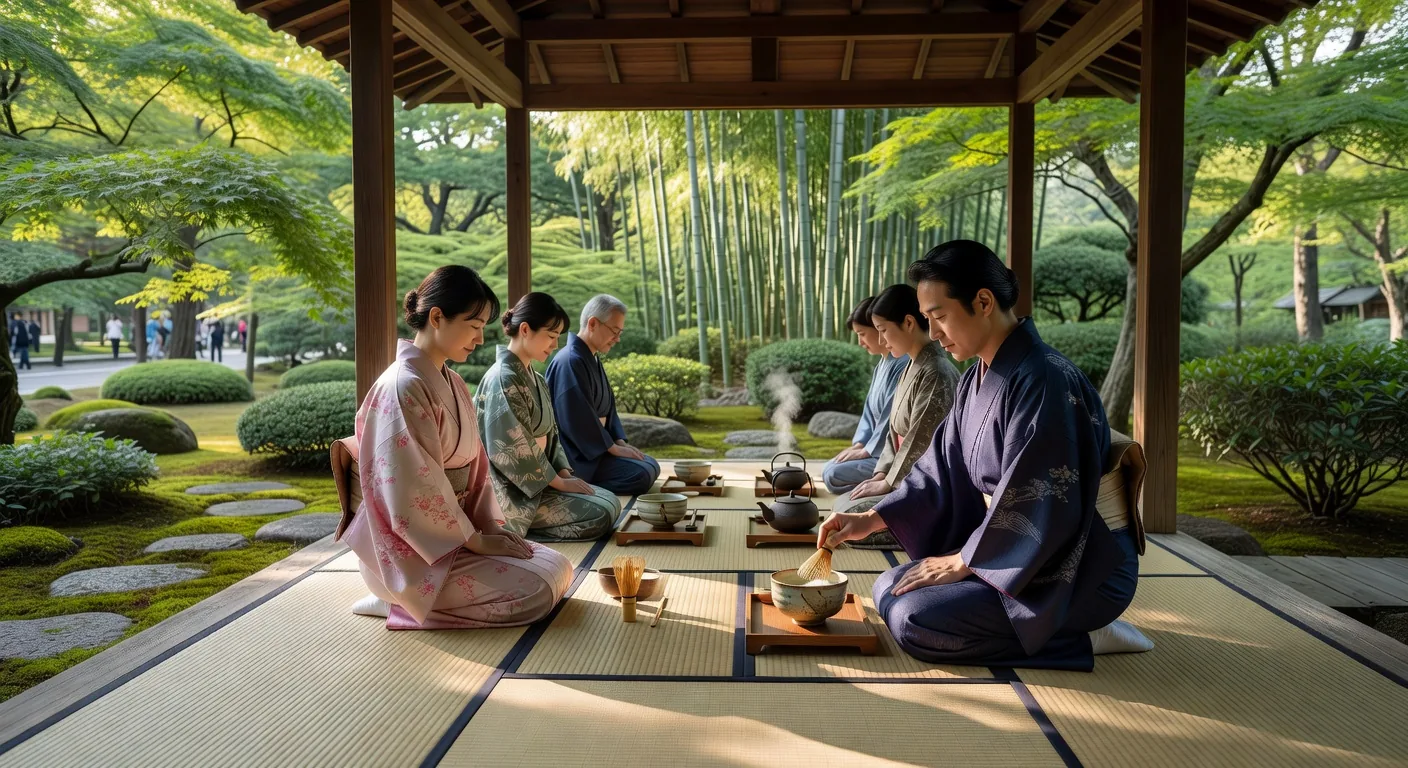
Many historic gardens — including those at Shinjuku Gyoen, Hamarikyu, and Kokedera — host traditional tea ceremonies in dedicated teahouses set within the landscape. These 45–60 minute sessions typically cost ¥500–¥1,500 and include instruction on the preparation and receiving of matcha. No prior knowledge is required; a respectful attitude and a willingness to sit quietly are all that is asked.

Ikebana Flower Arranging

Workshops in the art of ikebana — the Japanese tradition of intentional floral arrangement — are offered seasonally by several botanical gardens including the Shinjuku Gyoen National Garden and the Kyoto Botanical Garden. Sessions typically run two hours and provide all materials. Advance booking is recommended during peak seasons.

Zazen Meditation

Temples within park grounds, such as those at Engaku-ji in Kamakura and Eiheiji near Fukui, open their meditation halls for early morning zazen practice. Most welcome foreign visitors; sessions begin before sunrise and last approximately 45 minutes. Participants are expected to sit in silence and follow the lead of the resident monks.

Garden Walking Tours

Volunteer guide associations in Kyoto, Nara, and Tokyo offer free or low-cost English-language walking tours of major parks and gardens. These are an invaluable resource for understanding the symbolic language of Japanese garden design — the positioning of stones, the meaning of water, the art of borrowed scenery (shakkei).

Booking Seasonal Experiences

Tea ceremonies, ikebana workshops, and guided garden tours fill quickly during cherry blossom season (late March–early April) and autumn foliage season (mid-November). Book at least two weeks in advance for these periods; some experiences require booking a month ahead.

An outdoor tea ceremony taking place in a Japanese garden, with matcha and seasonal decorations

An outdoor tea ceremony set within a traditional garden — one of Japan's most serene cultural encounters.

What to Expect at a Tea Ceremony

  • Remove shoes before entering the teahouse
  • Sit in seiza (kneeling) or cross-legged if permitted
  • Receive the tea bowl with both hands
  • Turn the bowl clockwise twice before drinking
  • Consume the small sweet (wagashi) before drinking the tea
  • A gentle bow of thanks is always appropriate

Useful Japanese Phrases for Parks

A few words of Japanese go a long way in creating goodwill. Park staff and fellow visitors universally appreciate the effort, however modest. The phrases below cover the most common situations you will encounter.

Japanese Romaji Meaning When to Use
kōen Park Asking for directions to the park
hanami Blossom viewing Discussing cherry blossom season plans
shizen Nature General conversation about the surroundings
iriguchi / deguchi Entrance / Exit Finding your way around large parks
o-tearai Restroom / Toilet Asking for the nearest facilities
sumimasen Excuse me / Sorry Getting past someone on a narrow path
arigatō gozaimasu Thank you very much After receiving help or directions
shashin o totte mo ii desu ka? May I take a photo? Asking permission before photographing people
kirei desu ne How beautiful, isn't it? Friendly comment to share with fellow visitors
teien Garden Referring to a formal Japanese garden
kōyō Autumn foliage Discussing autumn leaf-viewing (momijigari)
tachiiri kinshi No entry / Keep out Recognising restricted zone signs

Budget Guide: Free Parks vs Paid Gardens

Japan offers a remarkable range of park experiences across all budgets. The majority of city parks are entirely free to enter, while historic gardens — particularly those with UNESCO connections — charge modest entry fees that contribute to ongoing conservation.

Park / Garden Location Entry Fee Type
Ueno Park Tokyo Free Public Park
Yoyogi Park Tokyo Free Public Park
Shinjuku Gyoen Tokyo ¥500 adults / ¥250 under 15 National Garden
Hamarikyu Gardens Tokyo ¥300 adults / Free under 12 Historic Garden
Koishikawa Korakuen Tokyo ¥300 adults Edo Garden
Maruyama Park Kyoto Free Public Park
Ryoan-ji Kyoto ¥600 adults / ¥300 children Temple Garden
Kokedera (Moss Temple) Kyoto ¥3,000 (reservation required) Temple Garden
Nara Park Nara Free Public Park
Isuien Garden Nara ¥1,200 adults / ¥500 children Stroll Garden
Yoshikien Garden Nara Free for foreigners Historic Garden
Kenroku-en Kanazawa ¥320 adults Historic Garden

Budget Planning Note

A typical day visiting two paid gardens and two free parks in Tokyo will cost ¥800–¥1,200 in entry fees. In Kyoto, if visiting three or four temple gardens, budget ¥1,500–¥2,000. The Yoshikien Garden in Nara provides exceptional value for foreign visitors — free entry, three distinct garden styles, and far fewer crowds than the major Kyoto gardens.

Japan Park Pass

For visitors planning an extended stay focused on parks and gardens, several pass options offer significant savings and added convenience.

🎫

National Garden Annual Pass

The National Garden Annual Pass, issued by the Ministry of the Environment, provides unlimited access to all five designated National Gardens in Japan for 12 months. These include Shinjuku Gyoen (Tokyo), Koishikawa Botanical Garden (Tokyo), and Shinjuku Gyoen Annex (Nagoya). The pass is available at any National Garden ticket office or through the official National Gardens website.

One-time entry fees apply per garden without the pass. For visitors who intend to visit even two of the national gardens, the annual pass at ¥2,000 (adult) represents immediate value.

  • Valid for 12 months from date of purchase
  • Covers all 5 designated National Gardens
  • Adult: ¥2,000 | Senior (65+): ¥1,000 | Under 15: Free
  • Available in Japanese and English
  • No advance booking required — show pass at ticket gate

Regional Garden Passes

Several regional tourism boards offer combined garden passes that bundle entry to multiple sites:

🗼

Tokyo Garden Pass

Covers Hamarikyu, Koishikawa Korakuen, Rikugien, Kyu-Shiba-Rikyu, and Kyu-Furukawa gardens. Available at any Tokyo Metropolitan Park Association ticket office. Adult: ¥700.

⛩️

Kyoto Temple & Garden Pass

Offered seasonally by Kyoto City Tourism, covering 10–15 major temple gardens. Especially valuable during autumn foliage season. Typically ¥1,500–¥2,000.

🦌

Nara Heritage Pass

Bundles entry to Isuien Garden, Todai-ji Treasury Museum, and Kasuga Grand Shrine inner precinct. Available at Nara Visitor Centre. Adult: ¥2,000.

Emergency Contacts & Safety Information

Japan is one of the safest countries in the world for travellers, and serious incidents in parks are extremely rare. Nevertheless, it is wise to be familiar with emergency procedures before you travel.

🚨

Police

110

For crime, theft, or security incidents

🚑

Ambulance / Fire

119

Medical emergencies and fire services

📞

Tourist Hotline

050-3816-2787

Japan Tourism Agency — 24 hrs, multilingual

🏥

Medical Consultation

#7119

Non-emergency medical advice line

Safety in Natural Parks

In forested areas and nature parks, always stay on marked trails. Japan's forests can be dense and disorienting. Download offline maps before entering rural parks. In summer and autumn, check for kasurikabu (poison sumac) on trails and wear long trousers. Hornets (suzumebachi) are active August–October; avoid bright floral clothing and keep calm if one approaches. If you suspect a bear encounter in Hokkaido or mountain parks, make noise while walking and carry a bear bell.

Health & Wellbeing Tips

  • Carry travel insurance documentation — Japan healthcare is excellent but can be expensive for uninsured visitors
  • Stay hydrated in summer heat; heatstroke (netchūshō) is a risk in July and August
  • Most urban parks have first-aid stations staffed on weekends and holidays
  • Tap water throughout Japan is safe to drink — no need to purchase bottled water
  • Pharmacies (yakkyoku) are widespread and staff can often communicate basic health needs in English